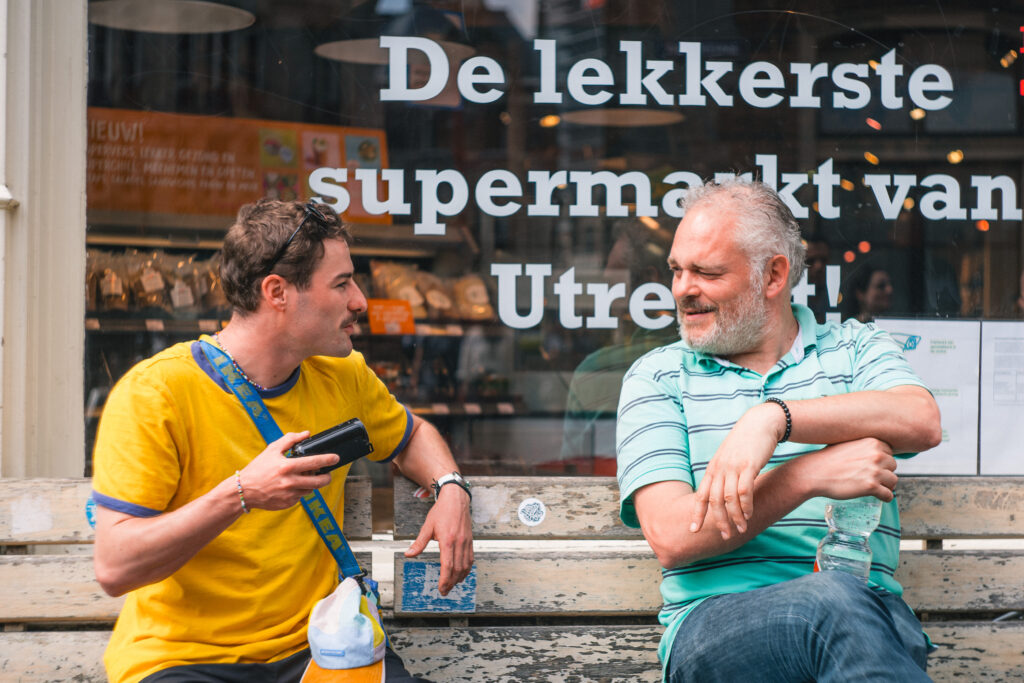
My professional identity is built on my ability to connect, communicate, and collaborate. Connecting for me means engaging with individuals from different backgrounds, learning from their experiences, and integrating their perspectives into my design process. Communicating involves using film as a medium to find and tell stories, making complex ideas more accessible and sparking discussions. Collaborating allows me to work with diverse stakeholders to create inclusive design solutions. By combining these three elements, I work on projects that bring people together, create dialogue, and highlight societal issues through interactive and immersive experiences.
I am driven by a curiosity to learn from people and explore new worlds, listening to their stories and sharing them with others. My work is characterized by visual ethnography which enables me to research and document cultural experiences using film as a story-finding medium. I use it to convey complex ideas to diverse stakeholders, including users, clients, and team members. By combining my entrepreneurial mindset with my empathetic nature, I create designs that spark curiosity and shed light on societal issues. I use film as a powerful tool to communicate visions, start discussions, and prevent misunderstandings
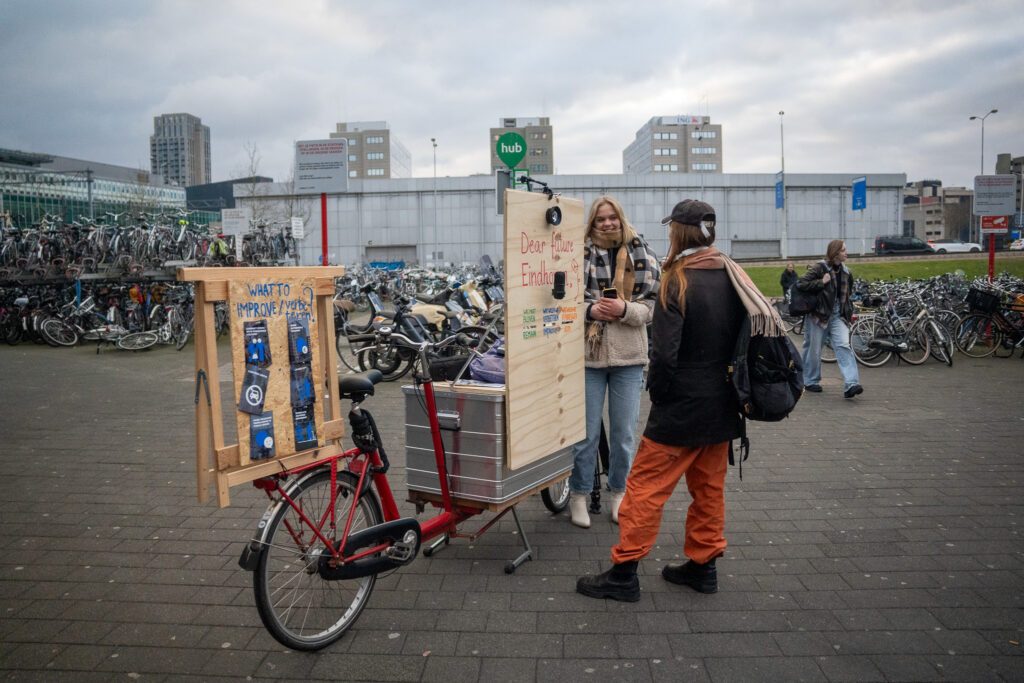
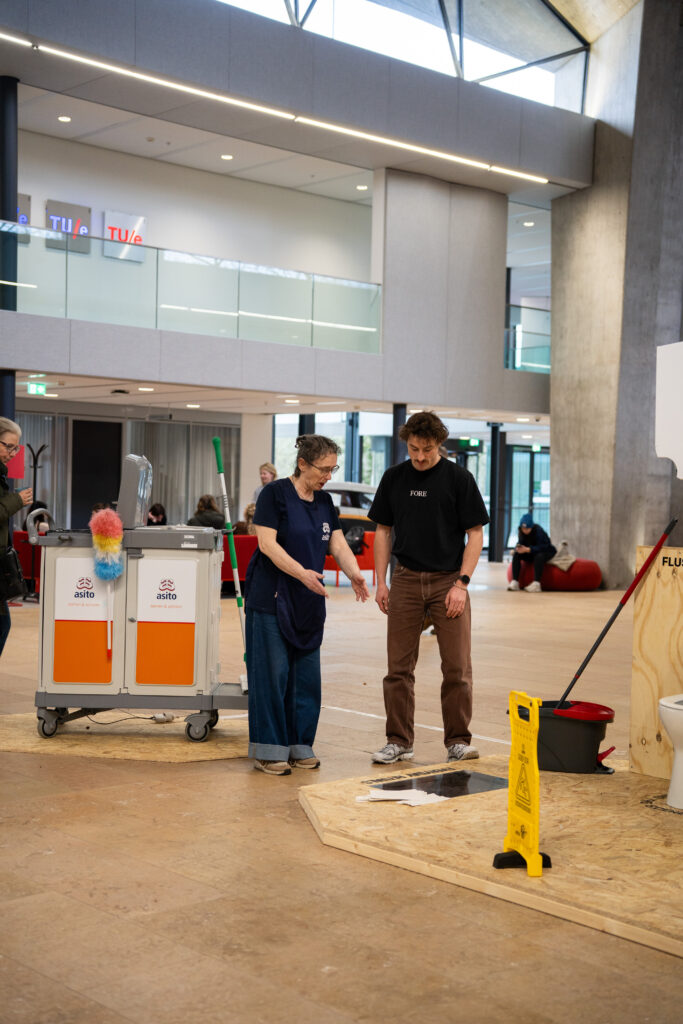
I not only have an eye for finding these stories, but I translate these into mediums. With technical expertise in prototype development and a hands-on design approach, I focus on designing experiences that engage people through interaction. I use my programming and material knowledge to connect tools and programs such as TouchDesigner and Arduino, resulting in interactive installations for public spaces. Such as the post robin hood machine exhibition I made. This installation detected people sitting on chairs and based on this interaction, an immersive sound experience was played in combination with moving images. In this project and in my other designs I encouraged visitors to explore new perspectives, aiming to evoke emotions that inspire mindset change.

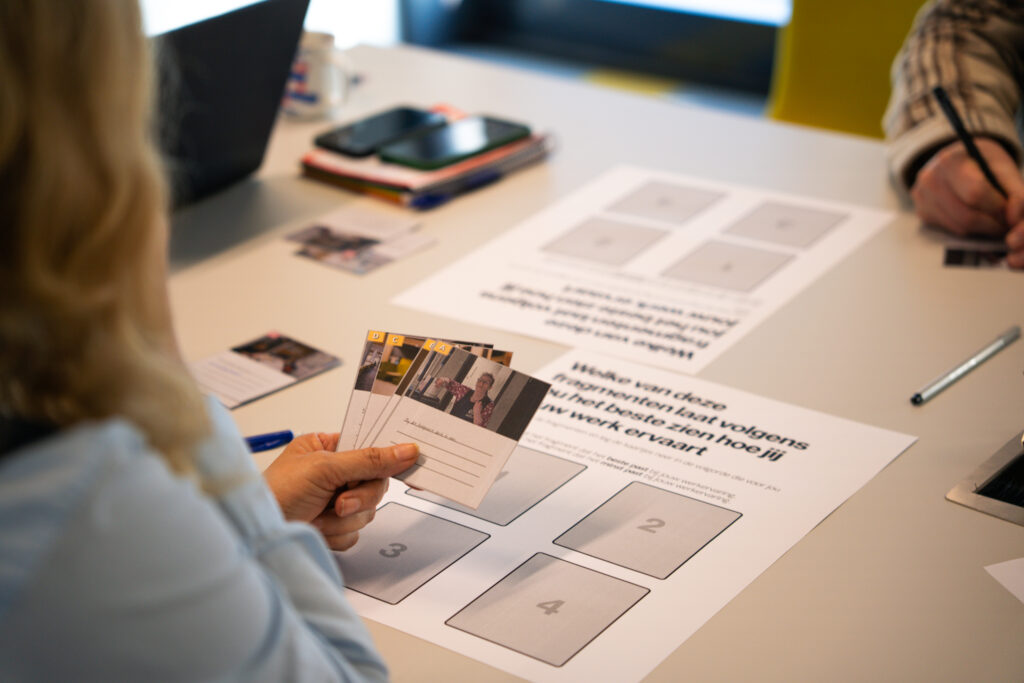
I position the user at the center of my design practice through methods such as ethnography, participatory design, and inclusive design approaches. By working closely with people throughout the process, I aim to give participants a voice and make invisible experiences visible. This is reflected in the way I facilitate co-creation sessions, collaborative brainstorming workshops, and co-analysis moments, such as in the Invisible Hands project, where shared reflection formed the basis for design decisions.